Designer knitwear and jumpers, with the pilling question answered
Designer knitwear from Paul Smith, NN07, Barbour and more, in merino, lambswool, Shetland and cashmere blends. The price spread comes down to fibre and gauge, and the section below explains both, including the one thing no knitwear retailer will tell you about bobbling.
-
Vendor:Oliver Spencer
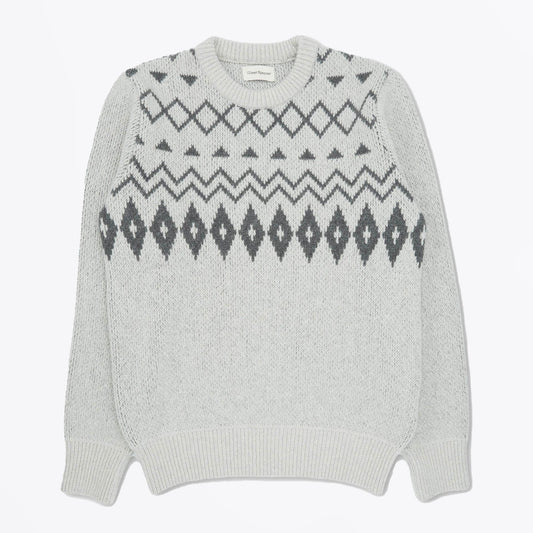
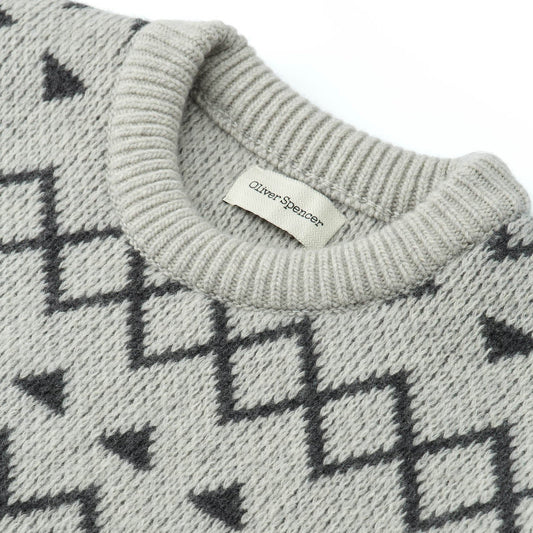
Milroy Blenheim Jumper - Light Grey
Regular price £81.00Sale price £81.00 Regular priceUnit price / per£260.00Sale -
Vendor:
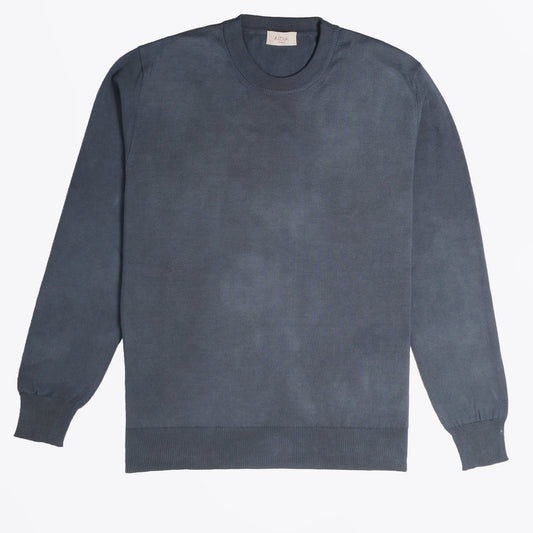
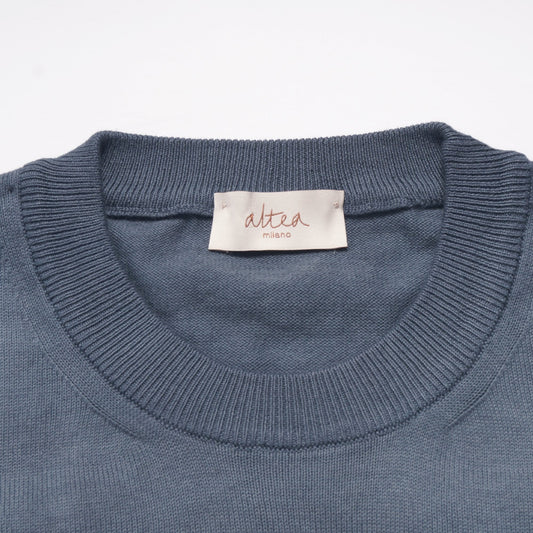
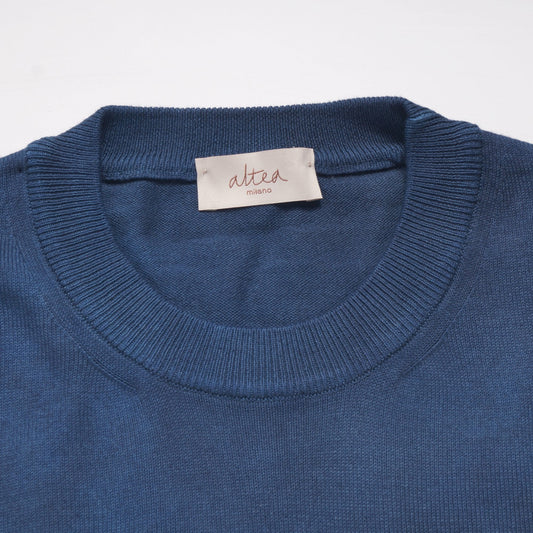
Tie-Dye Knitted Crew Neck Sweater - Navy
Regular price £65.00Sale price £65.00 Regular priceUnit price / per£215.00Sale -
Vendor:
Tie-Dyed Knitted Crew Neck Sweater - Dark Grey
Regular price £65.00Sale price £65.00 Regular priceUnit price / per£215.00Sale -
Vendor:
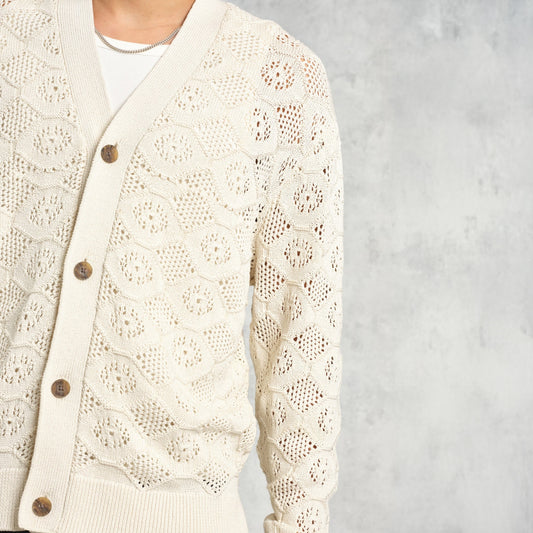
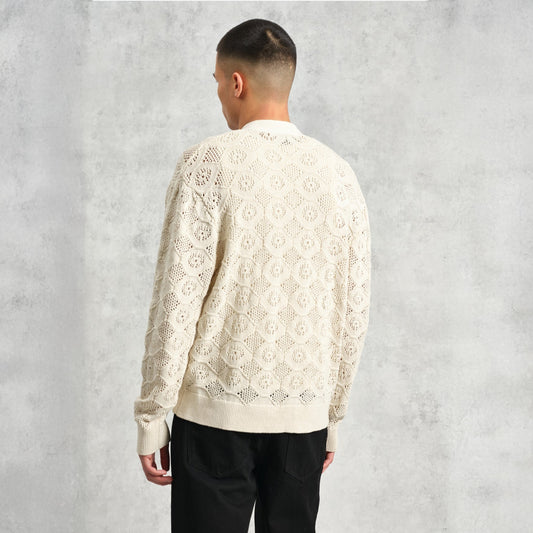
Crosby Pointelle Cotton Cardigan - Ecru
Regular price £80.00Sale price £80.00 Regular priceUnit price / per£159.00Sale
Bestsellers
-
Vendor:Oliver Spencer
Milroy Blenheim Jumper - Light Grey
Regular price £81.00Sale price £81.00 Regular priceUnit price / per£260.00Sale -
Vendor:
Tie-Dye Knitted Crew Neck Sweater - Navy
Regular price £65.00Sale price £65.00 Regular priceUnit price / per£215.00Sale -
Vendor:
Tie-Dyed Knitted Crew Neck Sweater - Dark Grey
Regular price £65.00Sale price £65.00 Regular priceUnit price / per£215.00Sale -
Vendor:
Crosby Pointelle Cotton Cardigan - Ecru
Regular price £80.00Sale price £80.00 Regular priceUnit price / per£159.00Sale
Recently Viewed
Frequently Asked Questions
Is merino wool itchy?
Rarely, and the reason is measurable rather than a matter of opinion. Merino is generally under 22 microns in diameter. Human hair runs between 50 and 100 microns. Itch comes from coarse fibre ends pressing into the skin, and at merino's fineness the fibres bend rather than press. Shetland, at around 23 microns on average and up to 35 for britch wool, is noticeably coarser and some people do feel it. If you are sensitive, merino and cashmere are the two to look at.
Why does my jumper bobble, and can I stop it?
Bobbling is caused by rubbing during wear, and it appears where friction is highest: elbows, underarms, and wherever a bag strap sits. Woolmark's own position is that nobody can guarantee it will not happen, because it depends on the fibre, the construction and how the wearer moves. It is not a fault. You can reduce it by turning the garment inside out before washing, skipping fabric softener and cutting down on abrasion. Once pills have formed, a battery de-pilling device is cheap and works well. Longer fibres, higher twist and denser knitting all resist it better, which is a large part of what you are paying for at the top of the price range.
What is the difference between lambswool and merino?
They are defined by different things, which is why the comparison is awkward. Merino is defined by fineness: generally under 22 microns. Lambswool is defined by staple length and age: wool 50mm or shorter from a sheep's first shearing, at around seven months. Lambswool feels soft because the fibre tips have never been cut, not because it is finer. So merino is reliably fine, and lambswool is reliably soft, and whether one is warmer than the other depends entirely on the gauge it is knitted at rather than the fibre itself.
How do I wash a wool jumper without shrinking it?
Use the wool setting, which is usually gentle action at 40 degrees. If you are hand washing, use lukewarm water at around 30 degrees and let it soak for ten minutes rather than agitating it. Use a mild, neutral detergent. If your machine has no wool cycle, use the cold wash or the delicates setting. Then dry it flat, in the shade. Hanging a wet jumper stretches it out of shape under its own weight, and that damage is harder to undo than shrinkage.
What does gauge mean on a jumper?
Gauge, written GG, is the number of needles per inch on the knitting machine. Three to five gauge gives chunky winter knits. Seven gauge is the standard for most sweaters. Twelve gauge and finer gives lightweight, smooth pieces like fine-gauge crews and knitted polos. Gauge changes the yarn used, the knitting time, the drape, the warmth and the price, so it explains a lot of the price difference between two jumpers that look alike.
How much is cashmere really in a cashmere blend?
Check the percentage, because it changes less than you would expect. By the industry benchmark, cashmere is the fine dehaired undercoat of a cashmere goat, averaging no more than 19 microns, with no more than 3% by weight of fibres over 30 microns. A blend with 5% cashmere in it changes the handle slightly and almost nothing else: the warmth, the drape and the durability come from whatever makes up the other 95%. That is not a reason to avoid blends, but it is a reason to read the label rather than the front of the swing tag.
Can I try knitwear on in Belfast?
Yes, at UG40, 1 Victoria Square, Belfast BT1 4QG, where the shop trades as Rio Brazil. Knitwear is worth trying rather than ordering, because gauge changes how a jumper sits far more than the size label suggests, and a seven gauge medium and a twelve gauge medium wear quite differently.
Men's Knitwear at Mr & Mrs Stitch
Merino, lambswool, Shetland and cashmere
Four fibres, four different things, and the label rarely explains the difference.
Merino is fine wool, generally under 22 microns. For scale, human hair runs between 50 and 100 microns. That fineness is why merino does not itch the way coarser wool does, and why it regulates temperature rather than simply insulating. It is the fibre to reach for if you run warm or if the jumper is going under a jacket.
Lambswool is wool 50mm or shorter from the first shearing of a sheep, taken at around seven months. It is soft, elastic and slippery. The reason it feels softer than the same sheep's later fleece is that the fibre tips have never been cut. It is not defined by fineness, which is why the question of whether lambswool is warmer than merino has no clean answer.
Shetland averages around 23 microns, ranging from 10 to 20 at the neck and shoulder up to 25 to 35 for britch wool, with an average staple length of about 3.5 inches. It is measurably coarser than merino, which is exactly why it is denser, more wind-resistant and more rustic to the touch. The breed gives 11 whole colours and 30 recognised patterns, which is why undyed Shetland yarn comes in natural shades.
Cashmere, by the industry benchmark, must be the fine dehaired undercoat of a cashmere goat, with average fibre diameter not exceeding 19 microns and no more than 3% by weight of fibres above 30 microns. That 19 micron figure is the single most useful number in any cashmere conversation. Note that this is a US labelling rule rather than UK law, so treat it as the industry standard rather than a legal guarantee.
Ranked by fineness: cashmere, then merino, then fine alpaca, then Shetland. Lambswool cannot be placed on that scale because it is defined by staple length rather than micron.
Gauge, and why two merino jumpers cost different amounts
Gauge is the number of needles per inch on the knitting machine, written as GG.
Three to five gauge gives chunky winter sweaters. Seven gauge is the workhorse for most sweater programmes. Twelve gauge and finer gives lightweight, smooth fabrics: fine-gauge sweaters, knitted polos and base layers.
Gauge changes yarn consumption, knitting time, drape, warmth and price. It is most of the reason knitwear prices vary so much, and it is a more useful thing to look at than the brand name.
Will it bobble, and is that your fault
Here is the answer no knitwear retailer gives, because it reads as a disclaimer.
Pilling, or bobbling, is caused by rubbing during wear. It forms where friction is highest: elbows, underarms, sleeves, and anywhere a bag strap sits. Woolmark's own position is that because pilling is so complex, nobody can guarantee it will not occur, and that it depends on many factors including the action of the wearer.
So it is not a fault, and it is not a sign the jumper was badly made. It is a property of spun fibre rubbing against things.
What reduces it on the design side is longer fibres, higher twist and higher cover factor. That is the real bridge between a £300 jumper and a £40 one, and it is why the expensive one should still look right in three winters.
What reduces it on your side: turn the garment inside out before washing, avoid fabric softener, and reduce abrasion where you can. For removing pills that have already formed, a battery de-pilling device is low cost and very effective, and will bring a jumper back to looking new.
How to wash it
Wool garments should be washed on the wool setting, usually gentle action at 40 degrees. If you are hand washing, use clean lukewarm water at around 30 degrees with a ten minute soak. Use a neutral, mild detergent, preferably a Woolmark recommended one. If your machine has no wool cycle, use the cold wash or the delicates cycle.
Dry flat. Knitwear specifically should be flat dried in the shade, not hung, because a wet jumper on a hanger stretches under its own weight.
Wool needs washing less often than cotton because it is naturally stain resistant, odour resistant and crease resistant. Airing a jumper overnight solves most of what you would otherwise wash it for.
What we could not establish
Sizing conventions for RRD, Altea and Thomas Maine are not published anywhere we could verify, and those three are the ones most likely to use Italian numbers rather than letters.